




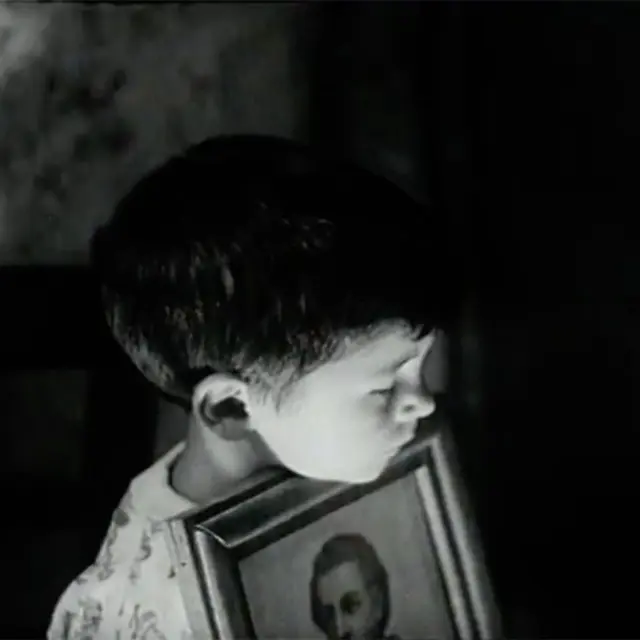
Carte blanche to choreographer Johanna Rocard: screening as part of her artistic residency.
The Mad Masters
By Jean Rouch / 1955 / France / 0h36 / Documentary
Shot in a single day, the film reveals the ritual practices of a religious sect, the Haoukas. The Haoukas have two not insignificant meanings: they are both genies, "masters of madness", and "European masters", perceived as mad. First appearing around 1927 in possession dances, these very special geniuses were directly inspired by the French and British armies and administrations. At the time the film was made, emigrant workers were using these violent but controlled fits of possession to help them adapt to the modern world.
La Taranta
By Gianfranco Mingozzi / 1962 / Italy / 0h19 / Documentary
The film documents the work of anthropologist Ernesto De Martino in the Salento region.
The tarantula (or tarantula) is a large spider found in the Apulian countryside, whose bite causes painful swelling. At harvest time, farmers who work barefoot are sometimes bitten by the tarantula: these are the "tarentolati" (or tarentati). The tarantula's bite is not at all poisonous, but in popular belief, which combines pagan and religious traditions as well as subjective elements of sexual phobia, the victim of the contagion is in some way possessed by "Evil", by the "Devil", and over time acquires the status of a real sufferer, comparable to someone suffering from hysteria or epilepsy. In an attempt to free themselves from the disease, the "tarantati" give in to convulsive movements (this is the origin of the tarantella, a popular dance from southern Italy), accompanied by haunting music whose rhythm becomes ever faster.
By Jean Rouch / 1955 / France / 0h36 / Documentary
Shot in a single day, the film reveals the ritual practices of a religious sect, the Haoukas. The Haoukas have two not insignificant meanings: they are both genies, "masters of madness", and "European masters", perceived as mad. First appearing around 1927 in possession dances, these very special geniuses were directly inspired by the French and British armies and administrations. At the time the film was made, emigrant workers were using these violent but controlled fits of possession to help them adapt to the modern world.
La Taranta
By Gianfranco Mingozzi / 1962 / Italy / 0h19 / Documentary
The film documents the work of anthropologist Ernesto De Martino in the Salento region.
The tarantula (or tarantula) is a large spider found in the Apulian countryside, whose bite causes painful swelling. At harvest time, farmers who work barefoot are sometimes bitten by the tarantula: these are the "tarentolati" (or tarentati). The tarantula's bite is not at all poisonous, but in popular belief, which combines pagan and religious traditions as well as subjective elements of sexual phobia, the victim of the contagion is in some way possessed by "Evil", by the "Devil", and over time acquires the status of a real sufferer, comparable to someone suffering from hysteria or epilepsy. In an attempt to free themselves from the disease, the "tarantati" give in to convulsive movements (this is the origin of the tarantella, a popular dance from southern Italy), accompanied by haunting music whose rhythm becomes ever faster.